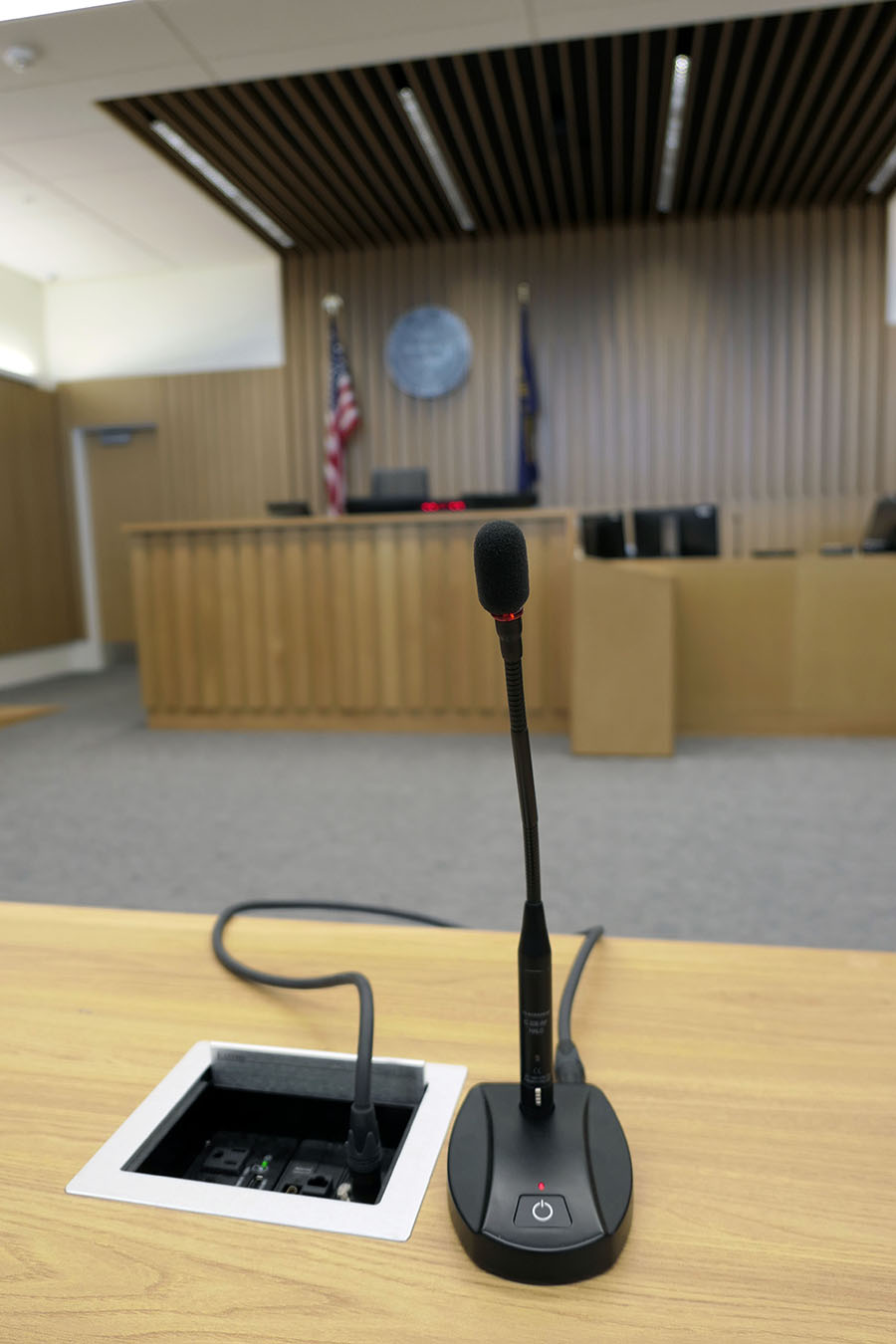
 First Appearance/Preliminary Hearing
At this hearing, the judge will read the charges against you. You will be appointed an attorney if you or your family have not hired one for yourself.
You should NOT be asked to admit whether you committed the alleged violations/juvenile delinquencies at this hearing.
At many of these hearings, the judge will also decide where you will spend your time until the charges are resolved. Some of the options are:
- Release to your parent or guardian
- Release to your parent or guardian on Community Monitoring/Electronic Monitoring Program (24-hour supervision with support of satellite dish systems)
- Placed in the temporary custody of Department of Human Services in a foster placement or group home facility
- Placed in detention with 10-day review hearings
- Released to juvenile department staff to a secure shelter or foster placement
Adjudication Hearing
This is where the judge decides whether you committed a law violation. You have two options:
-
You can choose to have a trial. If you choose a trial and deny the charges against you, the district attorney’s office will have to prove that you broke the law. OR
-
You can make admissions. This will happen after you have had time to talk about your options with your lawyer. The judge will review your rights with you to make sure you really did break the law and that you understand what you’re giving up.
-
Disposition Hearing
This is where the judge decides what consequences to order based on your admission or being found responsible at trial. Disposition options include:
- probation with conditions
- commitment to Oregon Youth Authority (OYA) for placement in a community program
- commitment to OYA for placement in a youth correctional facility
- commitment to Department of Human Services
- another, alternative disposition